
Trees are essential to Fullerton’s landscape, providing shade that can reduce cooling costs, increasing property values and filtering pollutants from the air. However, maintaining healthy trees requires expertise, specialized equipment, and a thorough understanding of proper arboriculture practices.
Neglected trees can become serious safety hazards with falling branches causing significant property damage annually across California, while improper trimming techniques can permanently damage their health and structure.
At Growscapes, we bring nearly a decade of landscaping excellence to Fullerton residents seeking professional Fullerton tree services. Our women-owned business combines technical expertise with environmentally conscious practices to deliver comprehensive tree care that enhances both property value and ecosystem health.
Whether you need routine maintenance, emergency tree removal, or sustainable planting solutions, our licensed team provides the quality tree services Fullerton homeowners deserve.
Ready to discover how professional tree care can transform your property? Keep reading to learn everything you need to know about Fullerton tree services and how we can help preserve and enhance your landscape.
The Complete Guide to Fullerton Tree Care
Everything Our Tree Services Cover
Fullerton tree services encompass a comprehensive range of care techniques designed to maintain the health, safety, and aesthetics of your landscape.
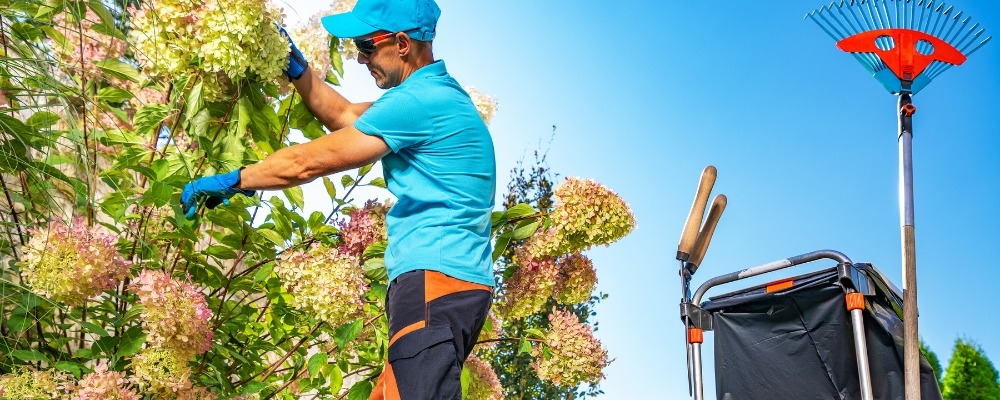
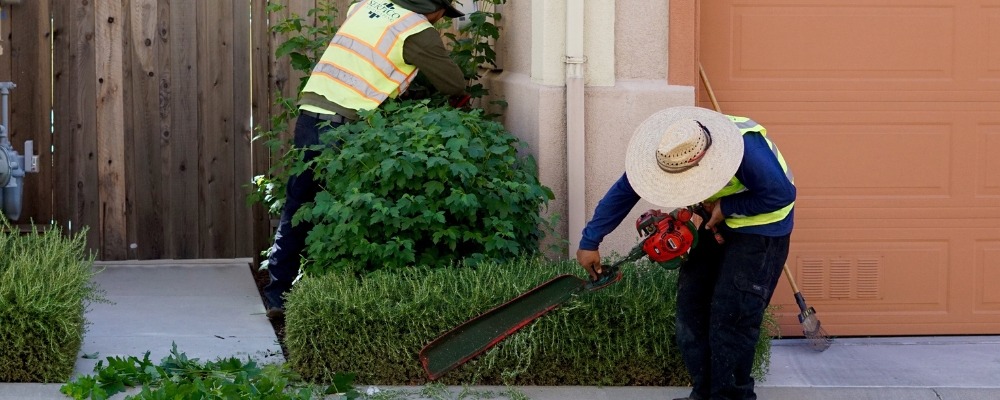
Professional tree trimming involves the selective removal of branches to improve structure, promote healthy growth, and prevent interference with structures or power lines. Most mature trees benefit from trimming every 3-5 years, though fast-growing species like eucalyptus may need attention annually.
This process requires knowledge of tree biology, proper cutting techniques that follow International Society of Arboriculture standards, and an understanding of how different species respond to pruning.
Tree removal becomes necessary when trees are dead, dying, diseased beyond recovery, or pose immediate safety risks to people and property. Our tree removal specialists evaluate each situation carefully, considering factors like proximity to structures, root system stability, and overall tree health.
The removal process requires precision equipment, safety protocols, and expertise to protect surrounding landscape features while efficiently eliminating hazardous trees from your property.
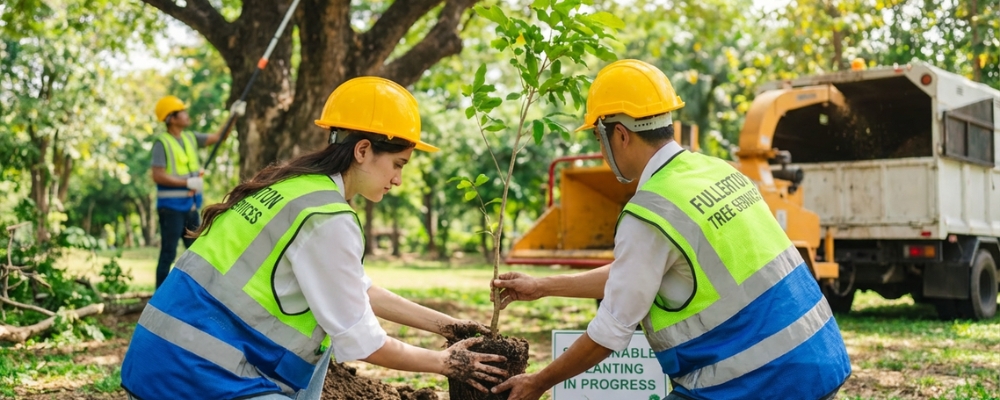
Beyond maintenance and removal, sustainable tree planting establishes the foundation for a thriving landscape. Strategic tree services include selecting and placing species that consider Fullerton’s climate, soil conditions, water availability, and long-term growth patterns to ensure trees will flourish with minimal intervention.
Why Professional Care Makes All the Difference
Professional tree care services protect your investment in your property while ensuring the safety of your family and neighbors. Trees that receive regular maintenance from qualified arborists develop stronger structures, resist disease more effectively, and can live significantly longer than neglected specimens.
Proper tree services include trimming techniques that promote healthy growth patterns while reducing the risk of branch failure during Santa Ana winds that can exceed 70 mph or storm events common to the Fullerton area.
At Growscapes, we approach every tree care project with a commitment to both immediate results and long-term landscape health. Our team understands that each tree represents years of growth and contributes to your property’s character and value.
We utilize current best practices in arboriculture, sustainable techniques, and state-of-the-art equipment to deliver tree services that exceed expectations.
Working with licensed professionals also protects you from liability concerns associated with tree work. Our comprehensive insurance coverage and adherence to safety standards mean you can trust that every project will be completed without risk to people or property.
How We Approach Tree Trimming in Fullerton
Techniques That Promote Healthy Growth
Effective tree trimming requires understanding the growth patterns, seasonal cycles, and specific needs of different tree species common to Orange County. The optimal timing for trimming varies by species, but most deciduous trees benefit from dormant season pruning when disease transmission risk is lowest.
This timing minimizes stress on the tree while allowing you to see the branch structure clearly for more precise cuts. Avoid trimming oaks during April through July in California, when oak wilt disease transmission peaks.
Proper trimming techniques focus on removing dead, diseased, or crossing branches while maintaining the tree’s natural shape and structural integrity. We never remove too much of a tree’s canopy in a single season, as excessive pruning can shock the tree and compromise its health. Research shows trees need at least 60 percent of their canopy to maintain adequate energy production.
Each cut is made at the proper angle just outside the branch collar to promote rapid healing and prevent entry points for pests or diseases. Proper cuts can seal within one growing season, while improper cuts may never fully close.
Canopy thinning improves air circulation and light penetration while reducing wind resistance that can lead to storm damage. This technique is particularly valuable for mature trees in Fullerton neighborhoods where proper air flow helps prevent fungal diseases during humid periods.
Crown raising removes lower branches to provide clearance for pedestrians, vehicles, or structures while maintaining the tree’s overall health and appearance.
Avoiding Mistakes That Damage Your Trees
One of the most damaging practices we encounter is topping, where trees are indiscriminately cut across the top to reduce height. This harmful technique destroys the tree’s natural form, creates entry points for decay, stimulates weak regrowth with included bark that’s prone to failure, and can dramatically shorten the tree’s lifespan.
Lion’s tailing, which involves removing all interior branches leaving only foliage at branch ends, is another problematic approach. This practice shifts too much weight to branch ends, increases wind resistance, and leads to sunscald on suddenly exposed bark.
Similarly, flush cutting removes the branch collar needed for proper wound closure, while leaving stubs creates dead wood that invites disease and insects.
Timing errors can also compromise tree health. Trimming during active growth periods or immediately before stressful weather conditions can weaken trees when they need maximum energy reserves.
Our experienced team schedules tree care activities based on each species’ biological rhythms and Fullerton’s seasonal patterns to ensure optimal results and minimal stress.
What You Need to Know About Tree Removal
Signs It’s Time for Tree Removal
Several conditions warrant complete tree removal rather than maintenance or treatment. Trees with severe structural damage, including major cracks in the trunk, extensive root decay, or significant lean exceeding 15 degrees toward structures pose immediate safety hazards.
Dead or dying trees become increasingly brittle and unpredictable, with the potential for catastrophic failure during wind events or even calm weather as decay progresses. A dead tree can fall without warning, often within 1-3 years of mortality.
Disease assessment is critical when determining whether removal is appropriate. While many tree diseases can be managed through proper care, some conditions like Fusarium wilt or certain root rots are fatal and may threaten neighboring trees.
Professional tree services can help identify these conditions early. Removal of infected specimens protects the broader landscape investment while eliminating the continued maintenance costs of a declining tree.
Space conflicts also necessitate removal decisions. Trees planted too close to foundations can damage building structures through root pressure or create moisture problems.
Specimens blocking construction projects, interfering with utility access, or creating persistent damage to hardscaping may need removal to accommodate property improvements while allowing for more appropriate replacement plantings.
Our Step-by-Step Removal Process
Professional tree removal services follow systematic protocols to protect people, property, and surrounding landscape features. Our team begins with a comprehensive site assessment, identifying potential hazards including overhead power lines, underground utilities, and valuable plants in the work zone.
This planning phase determines the optimal removal strategy and equipment requirements for safe, efficient completion.
For most residential removals, we employ sectional dismantling techniques where the tree is removed in manageable pieces from top to bottom. Climbers equipped with professional rigging equipment carefully lower branches and trunk sections to prevent damage to your property.
This controlled approach allows us to navigate even challenging removal situations in tight spaces typical of established Fullerton neighborhoods.
Large trees or those in particularly sensitive locations may require crane-assisted removal. This specialized equipment allows us to lift large sections over structures and away from vulnerable landscape areas.
Following removal, stump grinding eliminates the remaining root crown flush with or below ground level, allowing for immediate replanting or conversion of the area to other landscape uses.
Beyond the Basics: Planting and Seasonal Care
Choosing and Planting Trees for Long-Term Success
Sustainable planting begins with selecting species appropriate for Fullerton’s Mediterranean climate and your specific site conditions. Drought-tolerant native and climate-adapted species thrive with minimal irrigation once established while providing habitat for local wildlife.
These selections align with Orange County’s water conservation priorities while delivering the aesthetic and functional benefits homeowners desire. Professional tree services ensure proper species selection for your unique landscape.
Site preparation significantly influences long-term tree success. We evaluate soil drainage, sun exposure, and available root space to determine optimal planting locations. Trees need a large amount of uncompacted soil for proper root development, and soil should drain within 12-24 hours after saturation.
Strategic placement considers mature tree size, ensuring adequate clearance from structures, utilities, and hardscaping while maximizing benefits like summer shade for west-facing walls, which can reduce indoor temperatures significantly.
Our planting technique establishes trees for vigorous growth and structural stability. We set root balls at proper depth, ensuring the trunk flare remains visible at grade level. Initial pruning removes damaged branches while maintaining maximum foliage for photosynthesis during establishment.
Mulch application conserves moisture, moderates soil temperature, and suppresses competing weeds without touching the trunk where it can promote disease.
Year-Round Tree Care Tips for Fullerton
Each season brings specific tree care opportunities and challenges in Fullerton’s climate. Winter’s dormant period is ideal for structural pruning of deciduous trees, allowing clear views of branch architecture while minimizing stress. Professional tree services during this season focus on shaping and strengthening tree structure.
This season also provides optimal conditions for planting most species, as cooler temperatures and increased rainfall support root establishment before summer heat arrives.
Spring inspections identify winter storm damage and emerging pest or disease issues before they escalate. This season’s active growth makes it important to monitor irrigation needs as trees break dormancy and begin rapid development. Newly planted trees may need watering 2-3 times weekly during spring establishment.
Early pest intervention during spring prevents population explosions that become difficult to manage later in the growing season. Common Fullerton pests like aphids and scale insects are most vulnerable to treatment during their spring emergence phase.
Summer demands attention to irrigation adequacy, particularly for recently planted or young trees still establishing root systems. Deep watering to 18-24 inches depth once weekly is more effective than frequent shallow watering. Monitoring for heat stress symptoms like wilting or premature leaf drop allows for timely intervention.
Fall preparations include gradual irrigation reduction for established trees, allowing them to harden off before winter while maintaining adequate moisture through dry periods. Reduce watering frequency in October and November to prepare trees for dormancy.
Ready to Enhance Your Property with Professional Tree Services?
Professional Fullerton tree services represent an investment in your property’s safety, value, and environmental contribution. Throughout this article, we’ve explored comprehensive tree care, from precision trimming techniques to safe removal protocols and sustainable planting strategies that thrive in Fullerton’s climate.
We understand that your trees are valuable assets deserving thoughtful care from qualified professionals who respect both your property and the broader ecosystem. Every project we complete reflects our commitment to excellence and environmental responsibility.
Don’t wait for small tree issues to become major problems or safety hazards. Contact Growscapes today for a comprehensive evaluation of your landscape’s tree care needs. Our team is ready to develop a customized tree services plan that enhances your property’s beauty, protects your investment, and contributes to Fullerton’s urban forest for generations to come.
Your Tree Service Questions Answered
How often should I have my trees professionally trimmed?
Most mature trees benefit from professional evaluation every 2-3 years, though fast-growing species or trees near structures may require annual attention. Young trees need more frequent formative pruning during their first 5-7 years to develop strong structure.
What permits are required for tree removal in Fullerton?
Fullerton regulations vary depending on tree size, species, and location on your property. Trees in city rights-of-way require permits from the Public Works Department, while protected heritage trees may need special approval regardless of location. Our team can help navigate permit requirements as part of our comprehensive service.
Can I save a tree that appears to be dying?
Sometimes yes, depending on the cause of decline and how extensively the tree is affected. Treatable issues include certain pest infestations, nutrient deficiencies, and stress from improper watering or soil compaction.However, trees with advanced root rot, severe structural damage, or extensive trunk decay typically cannot be saved.
What tree species work best for Fullerton’s climate?
Excellent choices for Fullerton include drought-tolerant natives like California sycamore (grows 40-80 feet, needs deep watering first 2 years), coast live oak (grows 20-70 feet, extremely drought-tolerant once established), and western redbud (grows 10-20 feet, perfect for smaller spaces).
Climate-adapted species like Chinese pistache, crape myrtle, and various magnolia varieties also thrive in our Mediterranean climate with hot, dry summers and mild, wet winters.
How quickly do newly planted trees establish?
Most trees require 2-3 years to develop sufficient root systems to be considered established, with roots expanding 1-2 feet per year in ideal conditions. During establishment, regular deep watering is critical, even for drought-tolerant species that will later require minimal irrigation.